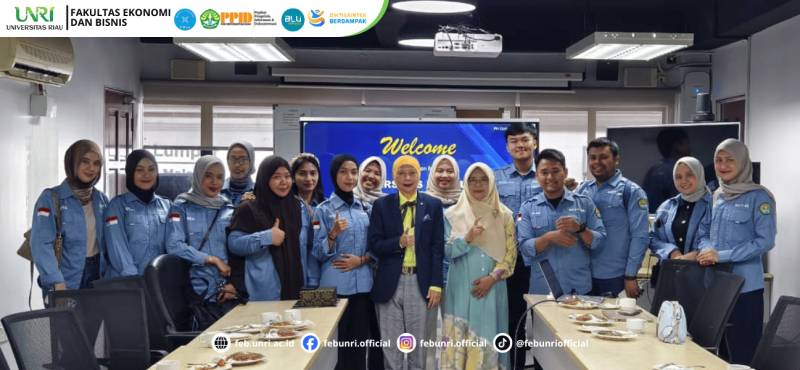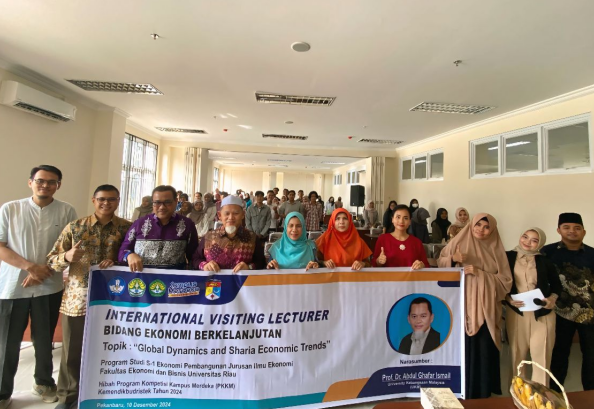
Pekanbaru, December 10, 2024 – In order to enhance the quality of education and broaden students' perspectives, the Development Economics Study Program, Faculty of Economics and Business, Riau University (FEB UNRI), hosted an International Visiting Lecturer event on Sustainable Economics on Tuesday, December 10, 2024. The event, titled “Global Dynamics and Shariah Economic Trends,” featured Prof. Dr. Abdul Ghafar Ismail, a renowned expert in Islamic economics from Malaysia, internationally recognized for his contributions to the development of Islamic economics and sustainable development studies.
The event, held in the FEB UNRI building, was attended by faculty members and students from the Development Economics Study Program at FEB UNRI. The goal of the event was to provide participants with deeper insights into the global economic dynamics and how trends in Islamic economics can contribute positively to sustainable economic development, as well as address the economic challenges faced by the world today.
In the public lecture, which began at 09:00 AM WIB, Prof. Dr. Abdul Ghafar Ismail addressed two main topics: first, how global dynamics, including economic, political, and social changes, influence the direction of global economic development, and second, how Islamic economics plays a role in addressing these global challenges. Prof. Ghafar explained that the current global economic landscape faces significant challenges, such as financial crises, economic inequality, climate change, and disruptive technologies that are transforming business and trade.
However, Prof. Ghafar also emphasized that Islamic economics, with its foundational principles of social justice, welfare, and sustainability, has the potential to be an effective solution to these problems. “Islamic economics is not only about financial products that comply with Islamic law but, more importantly, about creating an economic system that is fairer, more inclusive, and oriented towards sustainability,” Prof. Ghafar passionately stated.
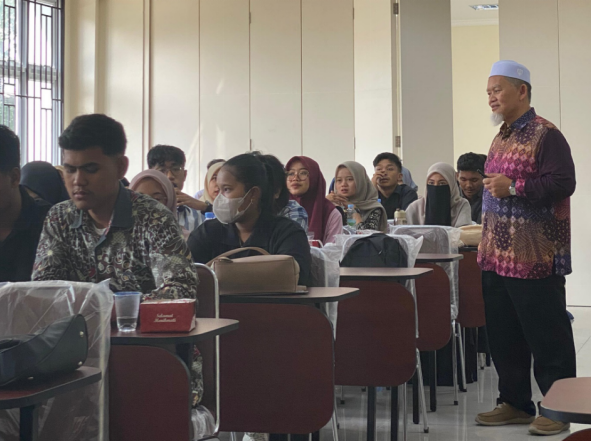
During the lecture session, Prof. Ghafar also explained how Islamic economics can contribute to more sustainable economic development. One example he provided was how the Islamic financial system can support funding for sustainable projects, such as green infrastructure development, responsible natural resource management, and initiatives that support social welfare. “The principles of Islamic economics, which do not separate profit from social and environmental impact, allow for the creation of a more holistic and sustainable development model,” he added.
Additionally, he discussed how the global trend of Islamic economics is showing significant growth, not only in Muslim-majority countries but also in non-Muslim countries. Several nations in Europe, the United States, and Southeast Asia have started to look into and implement Islamic economic principles within their economic systems. One example is the increasing number of financial institutions offering Islamic financial products, such as sukuk, which have become an attractive global financing alternative for investors around the world.
One of the interesting aspects highlighted in this presentation was the vast potential of Islamic economics in addressing economic inequality. Prof. Ghafar explained that in Islamic economics, one of the core principles is the avoidance of riba (interest), which is often the root cause of inequality in conventional financial systems. By emphasizing fair risk-sharing and transparent financing schemes, Islamic economics can help reduce economic disparity within society.
The discussion was then followed by a Q&A session, where students and other participants had the opportunity to interact directly with Prof. Ghafar. Some students asked questions regarding the application of Islamic economics in the context of Indonesia, the largest Muslim-majority country in the world, and how the Islamic financial system could contribute to more inclusive economic development in Indonesia. Prof. Ghafar responded enthusiastically, stating that Indonesia has great potential to develop the Islamic economic sector, given its large Muslim population and the growing awareness of the importance of a more just and sustainable economy.
Prof. Ghafar also addressed the challenges faced in implementing Islamic economics, particularly related to regulations and the infrastructure that needs to be strengthened for Islamic principles to be applied more broadly and effectively. He emphasized the importance of collaboration between the government, financial institutions, and academics to create an ecosystem that supports the sustainable development of Islamic economics.
This event not only provided new insights for students but also opened opportunities for them to think critically about the potential of Islamic economics in the future. “This event has given me a new perspective on how Islamic economics can be applied to tackle global challenges. I feel inspired to delve deeper into Islamic economics and how I can contribute to developing this sector,” said one of the participants, Muhammad Yahya, a student from the Development Economics Study Program at FEB UNRI.
The event also demonstrated the commitment of the Development Economics Study Program at FEB UNRI in continuing to build international relationships and providing broader learning experiences for students, while introducing the growing potential of Islamic economics worldwide. With the expansion of Islamic economics across various parts of the world, especially in an increasingly dynamic global context, it is hoped that events like this will continue to be held to enrich students’ perspectives in facing future global economic challenges.
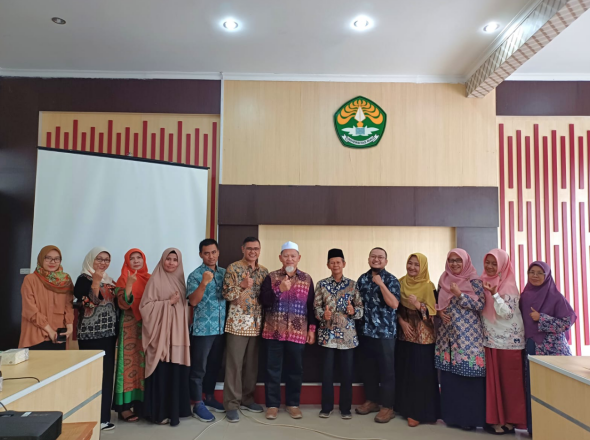
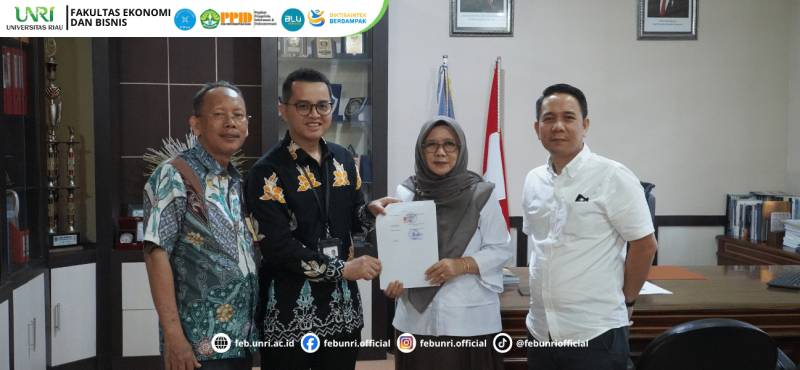
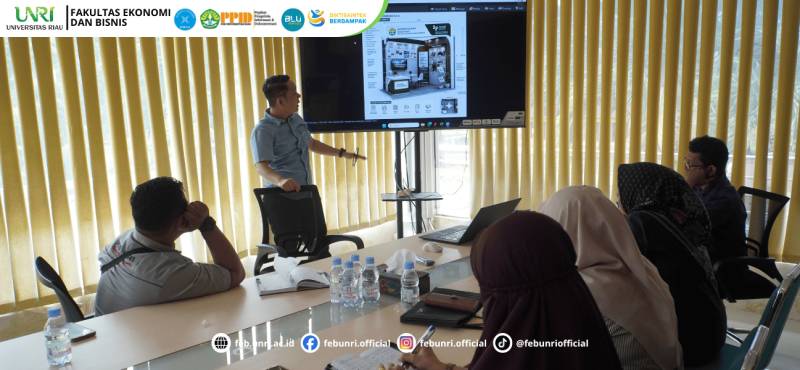
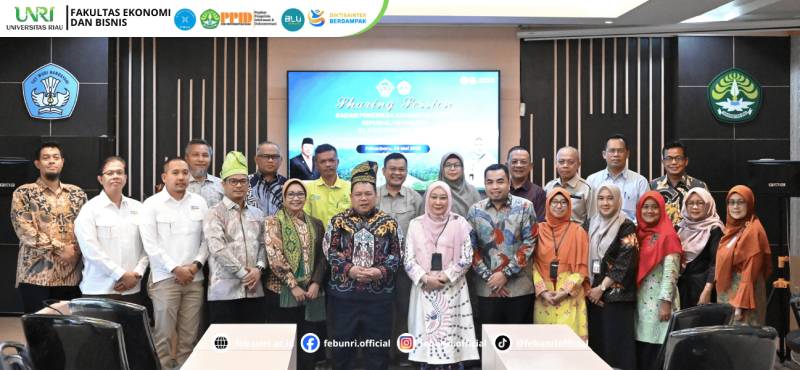
At 1:30 PM, a special sharing session was held for faculty members with the aim of strengthening collaboration and sharing experiences among educators. The event was attended by several faculty members who actively engaged in discussions and contributed during the session, as seen in the documentation taken throughout the event.